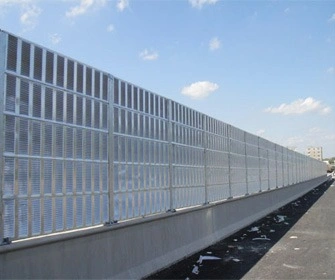
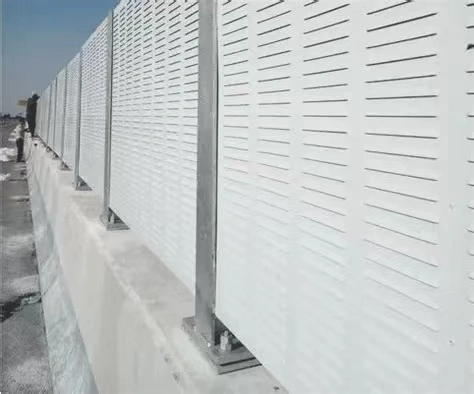
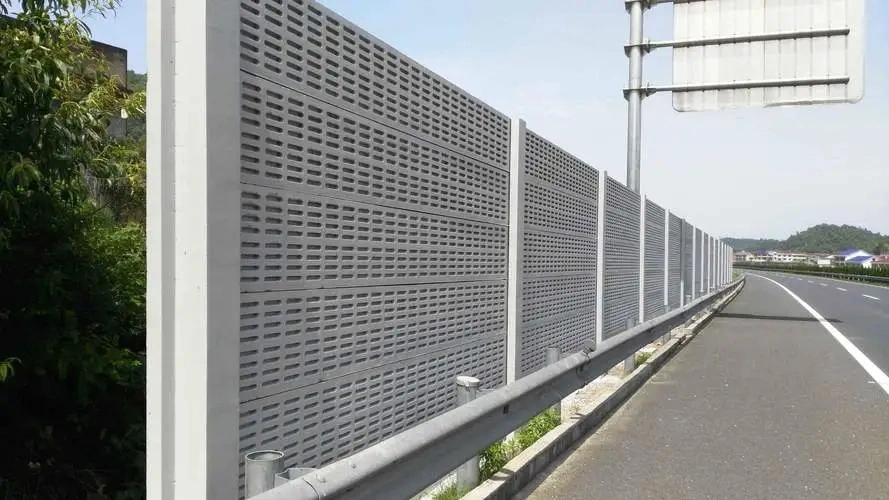
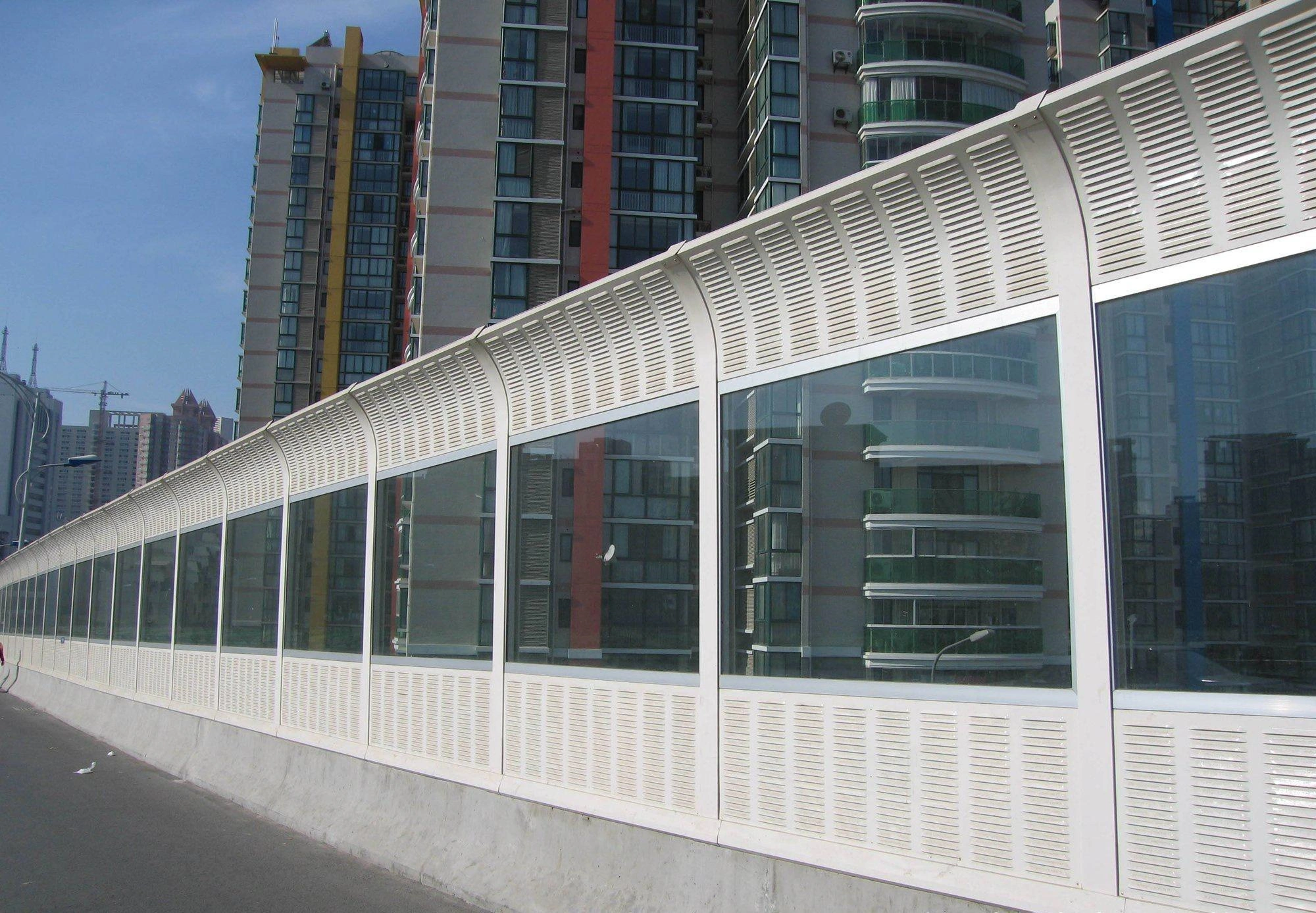
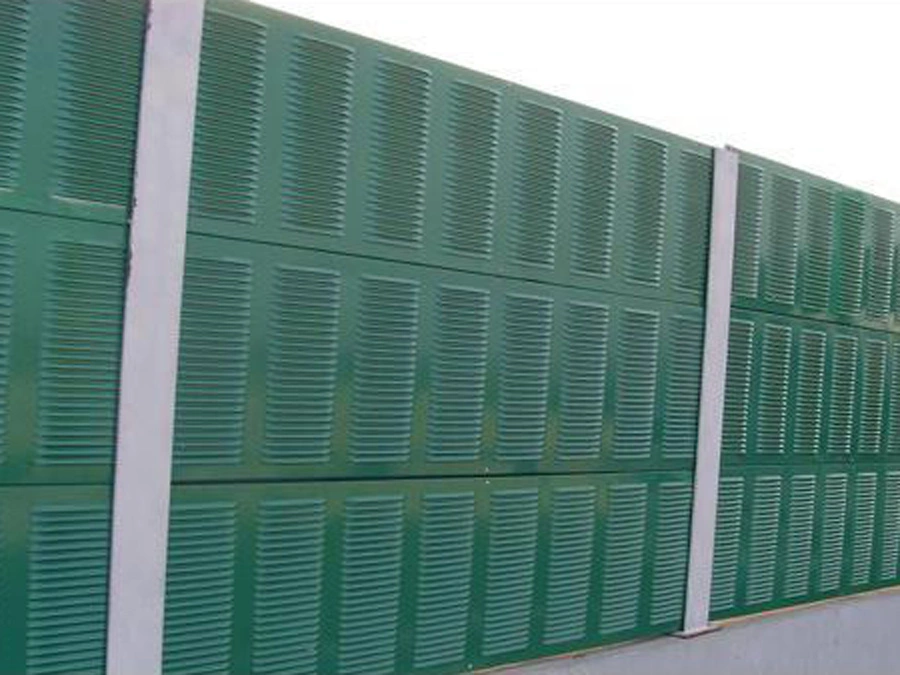
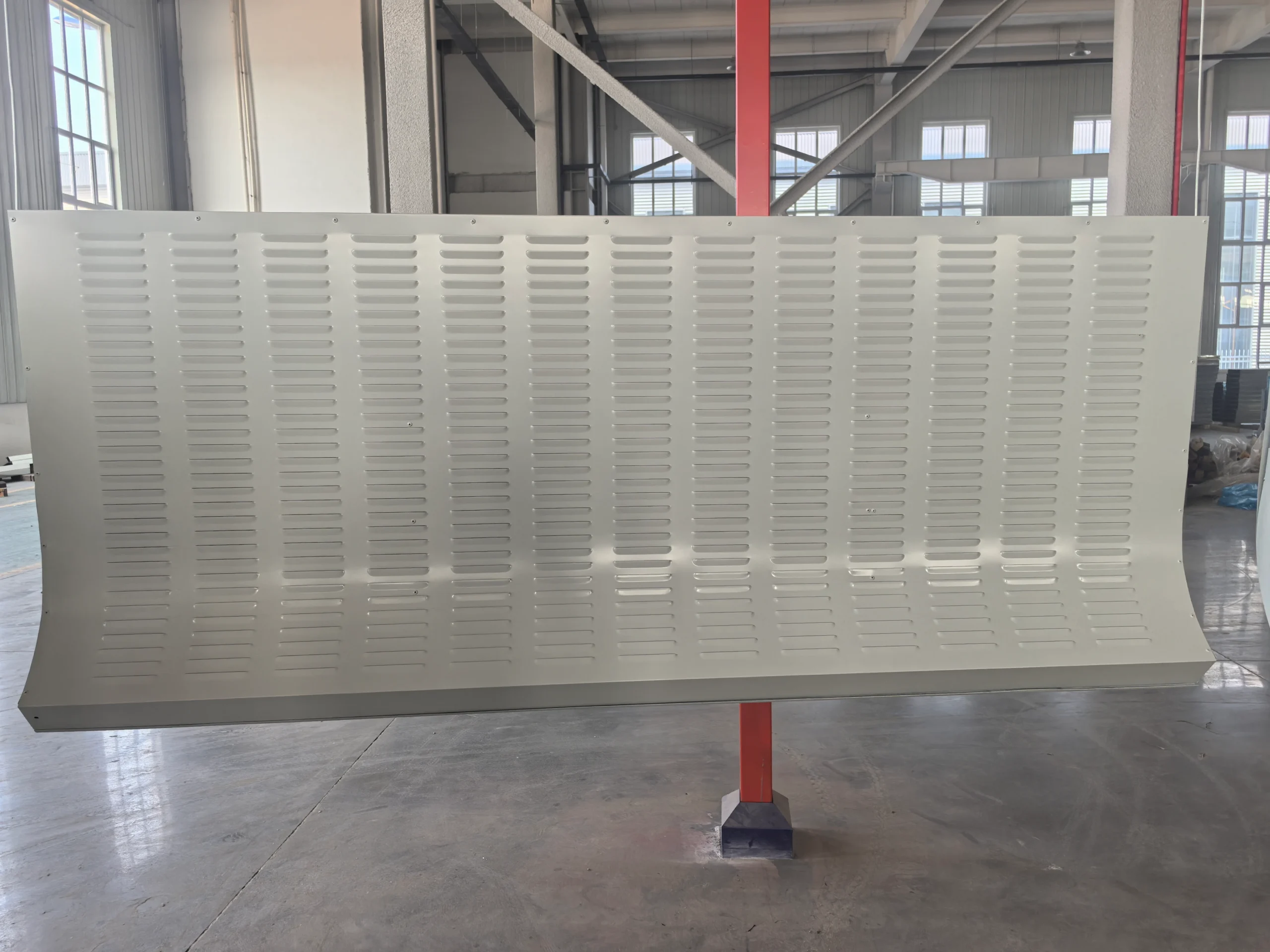
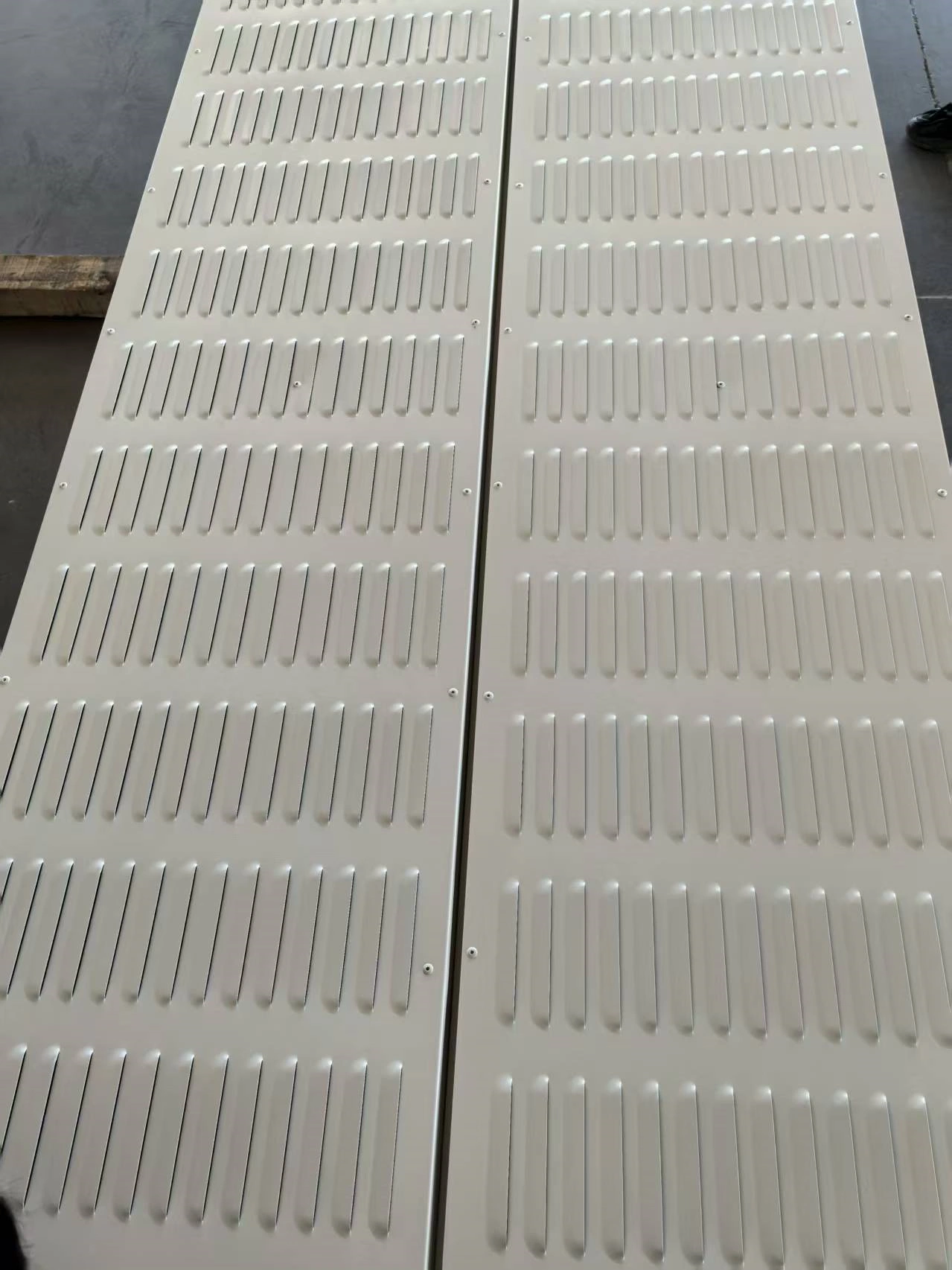
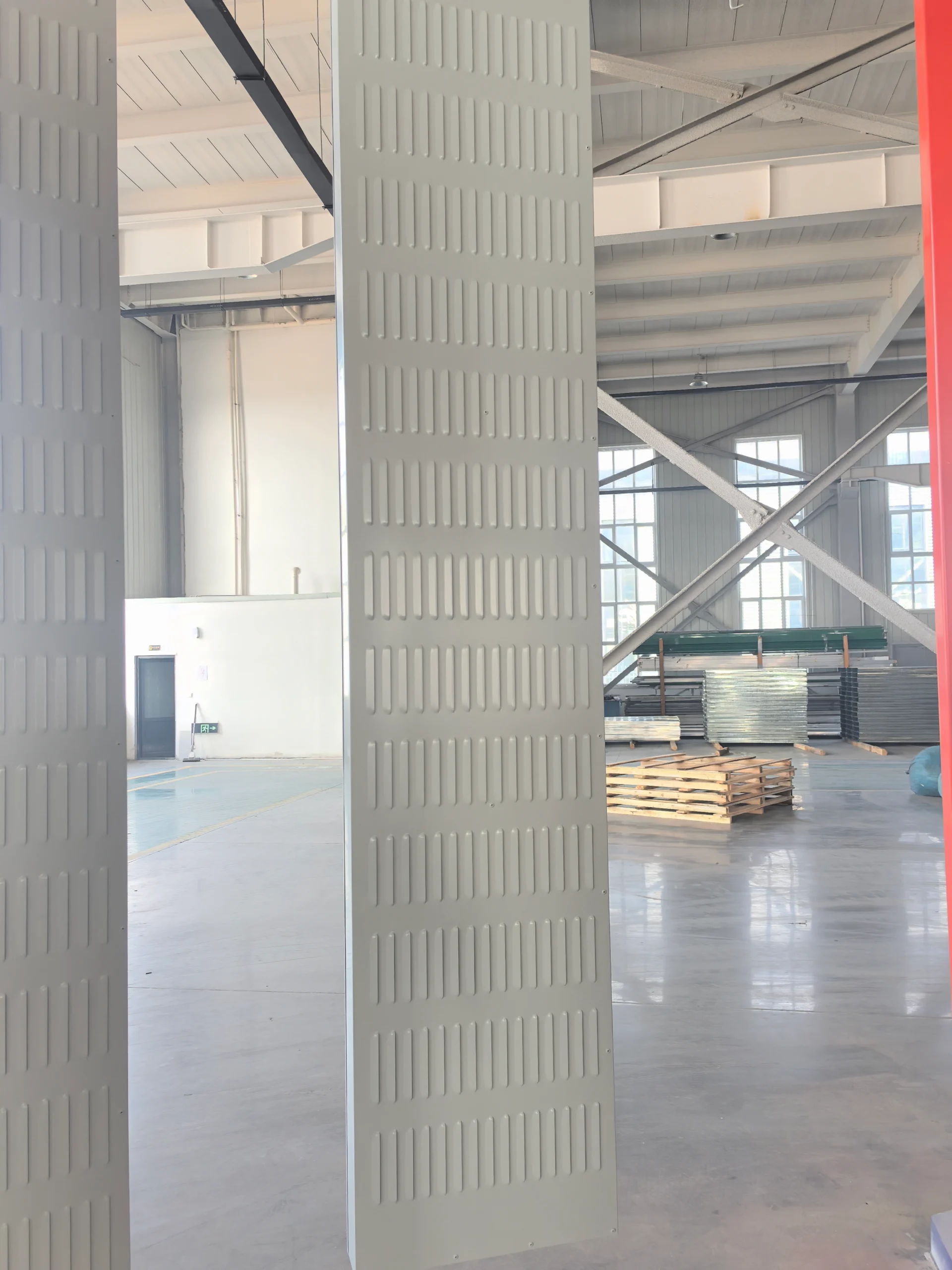
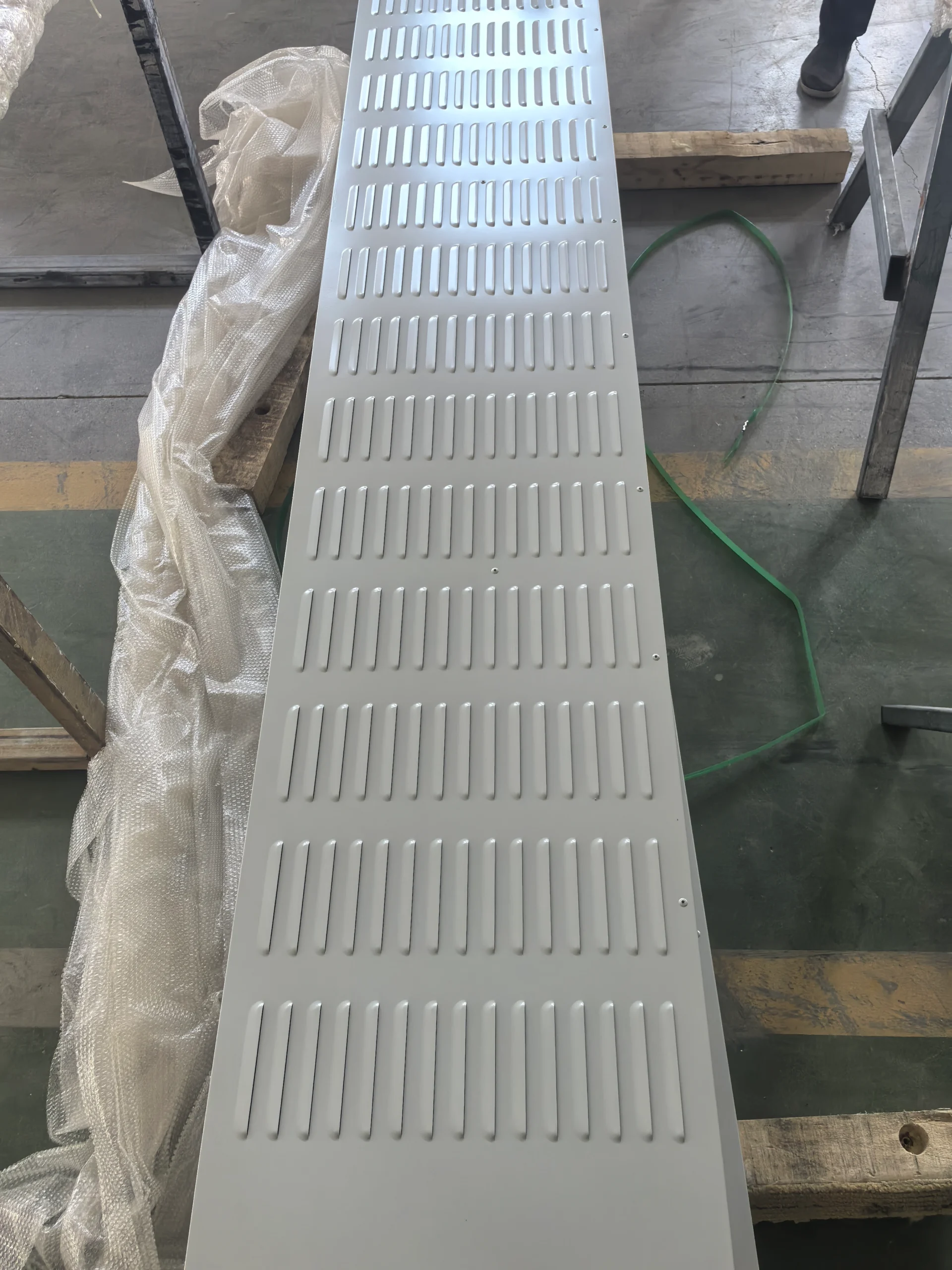
A noise barrier, also known as a sound barrier, is a professional tool for noise reduction. Its core principle is to reduce noise transmission through a combination of blocking and absorption. It creates an effective physical barrier between noise sources like highways, railways, and industrial areas, and noise-sensitive zones, significantly improving the acoustic environment.
Working Principle and Structure
When sound waves encounter a noise barrier, three phenomena occur: reflection, transmission, and diffraction. The goal of a noise barrier’s design is to maximize the blocking of direct sound and absorb sound energy using internal sound-absorbing materials, making the effect of transmitted sound negligible. This creates a “sound shadow” zone behind the barrier where noise is noticeably reduced.
Key Features
- High-Efficiency Noise Reduction: Noise barriers provide significant noise reduction, effectively minimizing disturbances from traffic, industrial, and other noise sources to improve the quality of life and work environment in surrounding areas.
- Stable and Durable Structure: Typically made from robust materials like metal, concrete, or composites, they can withstand natural elements like wind and rain, ensuring long-term stability and performance.
- Customizable Design: The noise reduction rating, height, length, and appearance of a noise barrier can be customized to match different noise sources and site environments, achieving optimal soundproofing and visual harmony.
- Variety of Absorptive Materials: The interior can be filled with high-efficiency sound-absorbing materials like glass wool, rock wool, or foamed aluminum to further enhance noise reduction performance.
Application Fields
- Transportation: Highways, railways, elevated roads, light rail, and subways.
- Industrial: Substations, factories, cooling towers, and air conditioning units.
- Urban: Residential areas, schools, hospitals, and commercial districts.





















Reviews
There are no reviews yet.